
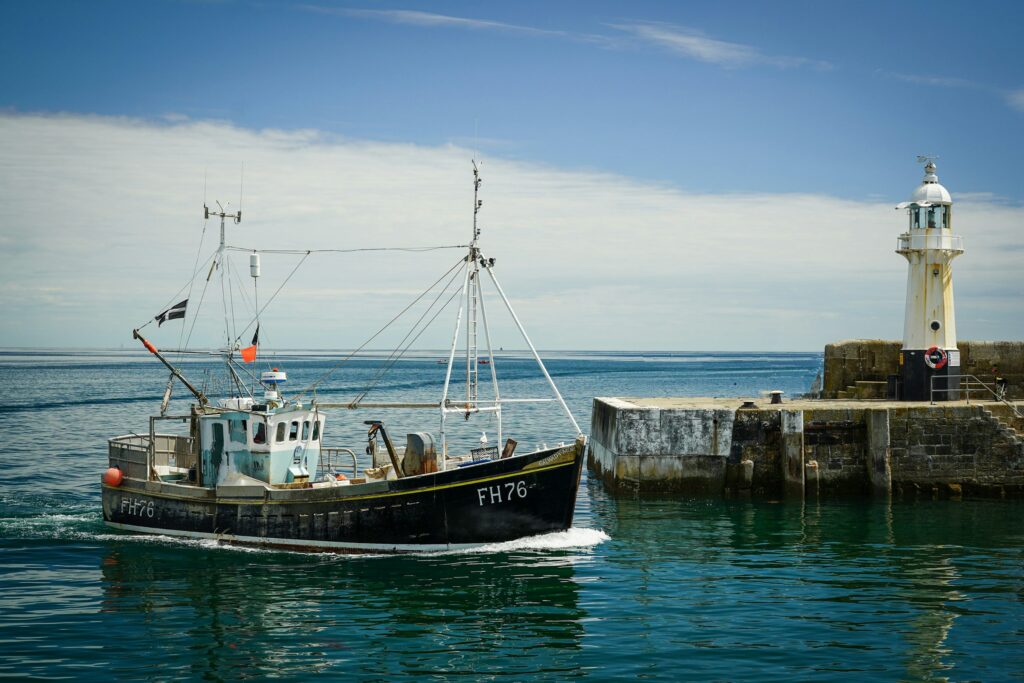

The EU and Britain have just sealed a £2.5 billion fishing pact that will lock in over 520,000 tonnes of UK‑caught fish for 2026, a haul worth roughly £830 million and a decisive win for coastal fleets after years of post‑Brexit uncertainty. The deal, signed in late October 2025, is hailed by Environment Minister Angela Eagle as a lifeline for fishing communities. It also grants the EU side a smaller slice – about 288,000 tonnes, valued at more than €1.2 billion – signalling a clear tilt in favour of British vessels.
At its core the agreement sets a 38 % share of the total allowable catch (TAC) for 23 key species, up from the 35 % Britain held under the provisional 2024‑25 arrangement. The EU‑UK Joint Fisheries Management Report 2025 details a modest overall TAC rise to 5.9 million tonnes, with specific boosts for cod (+12,000 t) and mackerel (+15,000 t). To cushion any losses, the pact creates a £150 million annual transition fund (≈£80 million from the UK and €70 million, roughly £60 million from the EU) earmarked for quota‑reduction compensation, vessel‑modernisation grants and port‑infrastructure upgrades. The EU‑UK Fisheries Financial Annex 2025 spells out the payment formula, calculating compensation on a per‑tonne basis at average market prices.
The ripple effect on Britain’s coastal economy is already being mapped. The Port Authority of Grimsby & Immingham projects a 4 % rise in UK‑registered vessel calls, driven by the expanded cod and mackerel quotas, while ports focused on sole, such as Dover, face a 2 % dip. These forecasts underline where the new traffic will concentrate. The British Marine Industry Association estimates the net quota gain translates into about 1,200 extra full‑time crew posts, and the Marine Employment Survey adds roughly 2,500 indirect jobs in processing and logistics as cold‑storage capacity is boosted by £12 million of grant funding. BMIA’s impact assessment and the government’s employment survey together paint a modest but tangible uplift for coastal labour markets.
Consumers should feel the benefit too, albeit unevenly. A 2 % increase in domestic supply of cod and mackerel is expected to shave 0.5‑1 % off retail prices, according to the Office for National Statistics’ Food Price Outlook. ONS predicts a modest dip for these species. Yet the sole quota cut and tighter spawning‑ground limits for southern‑North‑Sea cod could push those particular prices 2‑3 % higher, while the EU’s new green‑fuel surcharge may offset some of the gains. The European Fisheries Economic Review 2025 flags these price dynamics, and the agreement’s preservation of “fair‑trade” access keeps the £1.2 billion of UK fish exports to the EU on a steady footing. Export statistics confirm the market’s importance.
Looking ahead, the pact embeds a December‑to‑December review clause that will recalibrate quotas using the latest ICES stock assessments and a climate‑flexibility provision allowing up to a 5 % quota swing for scientifically justified shifts. ICES 2025 assessments and the EU‑UK Climate‑Responsive Fisheries Annex guarantee the framework can adapt to warming seas. Industry bodies are cautiously optimistic: the British Fishermen’s Union welcomes the higher share and compensation fund but urges faster VMS roll‑out, while the European Fisheries Economic Review notes the deal’s “robust monitoring and arbitration mechanisms” as a step forward for predictability. The arbitration protocol and the joint innovation report underline the commitment to technology‑driven compliance and selective‑gear trials, promising a more sustainable and profitable future for Britain’s seas.
Image Source: unsplash.com