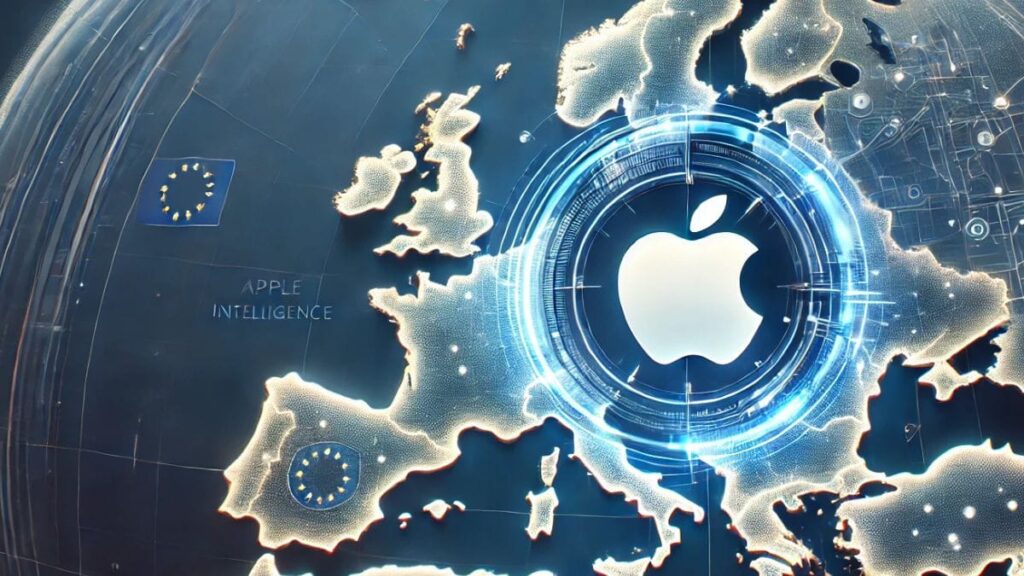

Apple has ploughed a heavyweight from Google‑Microsoft into its European AI engine, and the message is clear: the Cupertino giant is intent on reshaping the continent’s tech map before the EU AI Act even takes effect. The appointment of Amar Subramanya as Vice President of AI on 1 December 2025 marks the most senior AI hire Apple has ever made in Europe, and it arrives as Brussels tightens the screws on data‑driven competition.
Q: What is Apple’s strategic aim with Subramanya at the helm?
A: Subramanya, who spent a decade steering Google’s Gemini assistant and later built Microsoft’s foundation‑model stack for Copilot, says his remit is to “own the end‑to‑end AI strategy – from foundational models and safety evaluation to on‑device intelligence”. In practice this means delivering the forthcoming “Apple Intelligence” suite, a privacy‑first set of generative‑AI features that will run on Apple silicon across iPhone, iPad and Mac, while also laying the groundwork for Europe‑centric R&D labs.
Q: How will Apple navigate the looming AI Act?
A: An EU competition analyst warns that Apple’s on‑device approach dovetails with the Act’s data‑localisation expectations, but the regulator stresses that any high‑risk AI system launched before the 2 August 2026 deadline will still need a full conformity assessment. “If Apple rolls out large‑scale LLMs that influence professional services or public decision‑making, those models will fall under Annex III and must meet the December 2027 compliance window,” the official notes.
Q: Could Apple face antitrust scrutiny similar to Google’s recent probe?
A: A senior official at the European Commission points out that the December 2025 antitrust case into Google’s use of publisher data signals a broader appetite for policing data‑driven market power. “Apple’s integration of AI services across its hardware ecosystem could be seen as tying, especially if it leverages the iOS App Store to push its own models ahead of rivals,” the regulator explains. Apple will need to prove that its AI offerings do not impose unfair terms on third‑party developers.
Q: What does this mean for the European AI talent pool?
A: A talent‑market consultant highlights that 2025 saw 172 000 tech jobs cut, yet demand for specialised AI roles – prompt engineers, ethics officers and data curators – remains fierce. “The surge in AI‑focused engineers, combined with Germany’s dominance in Blue Card allocations (78 % of EU‑wide permits), means salaries for senior model‑builders are set to climb sharply,” she says. Apple’s planned labs in Germany or the Netherlands will intensify the scramble for that scarce expertise, potentially drawing talent away from home‑grown startups.
Q: How will diversity considerations play into Apple’s European push?
A: An academic leading a Women in Machine Learning network notes that women make up less than a quarter of AI engineers across the EU, with some cities as low as 11 %. Apple’s sponsorship of affinity groups at NeurIPS 2025 suggests an awareness of the gap, but the scholar cautions that “real change will require targeted recruitment, mentorship pipelines and transparent promotion metrics if Apple wants to improve gender balance in its European teams”.
The market impact is already rippling. Apple’s entry raises the bar for on‑device generative AI, forcing rivals to accelerate privacy‑centric solutions or risk being out‑paced in a region where the AI Act will soon dictate product design. Venture capitalists are watching keenly, as tighter regulations may curb data‑heavy startups while boosting those that can offer compliant, edge‑focused models – a niche Apple is poised to dominate. Meanwhile, salary inflation for senior AI talent is set to outstrip broader tech pay growth, tightening the talent war and potentially prompting EU policymakers to revisit immigration and funding schemes to keep Europe competitive. In short, Apple’s European AI coup could redraw the continent’s tech landscape, but only if it steers clear of regulatory landmines and wins the talent battle.
Image Source: www.techarena.sk