
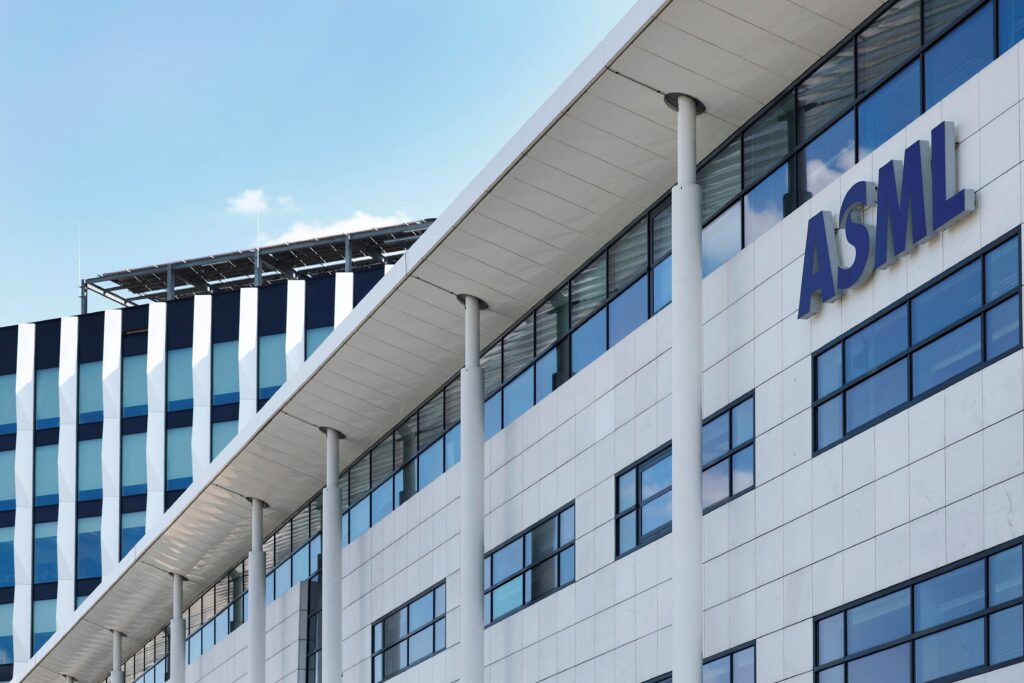

In a move that turns silicon into sustainability, ASML has pledged €93 million to overhaul Eindhoven’s public‑transport and cycling network, turning the Dutch tech hub into a greener, faster artery for its high‑tech workforce. The announcement, made on 18 December 2025 in Veldhoven, is the largest single corporate contribution to the region’s “Beethoven” mobility package – a €4.5 billion programme aimed at reshaping the Eindhoven Metropolitan Region’s transport grid in line with EU green‑mobility ambitions.
The package, announced by the Eindhoven mayor at a press conference that drew local journalists and a handful of ASML staff, will see a brand‑new underground bus station at Eindhoven Central, a high‑occupancy‑vehicle bus lane to neighbouring Veldhoven, and an expansive network of cycling paths that link residential pockets with commercial hubs. The underground hub is designed to centralise bus operations, reduce surface congestion and create a safer corridor for cyclists and pedestrians. The dedicated bus lane is expected to cut travel times and give commuters a credible alternative to the car, while the cycling paths will weave through the city, encouraging zero‑emission travel for the first time on such a scale.
Financially, the €93 million injection eclipses the €219 million that the Brainport Partner Fund has spread over twelve years, underscoring ASML’s willingness to use its private‑sector wealth to accelerate public‑infrastructure projects. The company’s commitment is framed as a “public‑infrastructure contribution under the Beethoven programme,” signalling a new era of corporate participation in municipal planning.
Although the press release does not furnish hard numbers on emission cuts, the qualitative benefits are clear. By improving bus services and providing dedicated cycling routes, the initiative is likely to lower vehicle kilometres travelled, reduce nitrogen‑oxide and particulate‑matter emissions, and improve urban air quality – all of which dovetail with the EU Green Deal’s transport decarbonisation targets. The underground bus station may also allow for the deployment of newer, cleaner buses, further tightening the city’s carbon footprint.
EU mobility policy in brief
The European Union’s Green Deal calls for a 55 % cut in transport emissions by 2030 and a full shift to zero‑emission vehicles by 2050. The “Fit for 55” package underpins these goals, encouraging a rise in public transport, cycling and walking shares, and the development of green mobility hubs that enable seamless intermodal transfers. The Beethoven package aligns with this framework by investing in infrastructure that makes sustainable modes more attractive, thereby nudging the region toward EU‑set decarbonisation milestones.
On‑the‑ground, the newly opened underground bus station already shows commuters turning to buses rather than cars, with a photo of a cyclist pausing at the station’s entrance capturing the moment. In the background, a banner reads “Beethoven – moving Eindhoven forward.” As the project rolls out, Eindhoven’s municipal authorities and ASML will need to set up robust monitoring to quantify changes in travel patterns and emissions, turning the ambitious €93 million pledge into measurable climate action.
If successful, the Beethoven initiative could serve as a replicable model for other European cities where tech hubs grapple with traffic congestion and climate targets. By marrying private capital with public‑sector planning, ASML has shown that corporate wealth can be leveraged to accelerate the city’s transition to a low‑carbon, highly connected future – a lesson that the EU’s green‑mobility agenda will no doubt welcome.
Image Source: www.reuters.com