
The Perrier plant in Vergèze has been forced to halt operations after a prefectural notice exposed a breach of wastewater‑treatment limits, reigniting a long‑running dispute over whether the iconic brand can still be sold as “natural mineral water”. In parallel, consumer group UFC‑Que Choisir has pressed the courts to strip the label, accusing Nestlé Waters of using prohibited filtration, UV disinfection and artificial carbonation that would strip the water of its legally protected status.
The controversy erupted on 10 December 2025 when the Gard prefect issued an eight‑day “mise en demeure”, demanding that the plant bring its effluent back within the permitted thresholds for suspended solids and nitrates or face fines and a possible suspension of its licence. The notice followed an inspection by the Regional Directorate for Environment, Planning and Housing (DREAL), which recorded a malfunction at the wastewater‑treatment station that released excess pollutants into the surrounding river system.
A whistle‑blower from the bottling line, who asked to remain anonymous, confirmed that, from early 2024, the facility had introduced UV disinfection and activated‑carbon filters to meet internal hygiene standards. The same source said the plant also added carbon dioxide and mineral salts to replicate the distinctive Perrier taste, a practice that, under French and EU law, would disqualify the water from the “natural mineral water” category. While these claims were detailed in the consumer group’s filing, the publicly available investigative reports from December 2025 stop short of producing documentary proof of the specific bottling‑process treatments; they focus instead on the environmental breach and the prefectural demand for corrective action.
UFC‑Que Choisir took the case to the Paris‑suburb court in Nanterre, seeking an injunction to halt sales under the natural label. On 19 November 2025 the court rejected the request, ruling that no health risk had been demonstrated and ordering the association to pay €5 000 in costs to Nestlé Waters. The judgment effectively upheld Perrier’s right to continue marketing the product as natural, despite the alleged use of prohibited filtration methods disclosed by the whistle‑blower and the earlier admission by Nestlé in 2024.
The French regulator DGCCRF has not issued a separate enforcement notice, leaving the prefecture’s “mise en demeure” and the court’s decision as the only formal actions recorded. The Regional Health Agency for Occitanie did issue a “favorable opinion” on sanitary status but attached enhanced controls, signalling that the bottling line will remain under close observation. The lack of a coordinated national enforcement response highlights a regulatory gap: the definition of “natural mineral water” can be contested without a clear, enforceable list of prohibited treatments.
At EU level, the Perrier episode arrives amid a broader push to tighten the Drinking Water Directive, which is already being revised to include limits on PFAS, micro‑plastics and other emerging contaminants. Although the European Parliament, the ENVI Committee and citizen movements such as Right2Water have called for stricter labelling and reduced bottled‑water consumption, no formal EU investigation into Perrier has been launched. Nonetheless, the controversy could force legislators to sharpen the legal definition of natural mineral water, introduce mandatory provenance verification and require explicit labelling of any carbonation or mineral adjustments. A dedicated annex to the revised Drinking Water Directive or a separate Mineral‑Water Regulation could give EU authorities the tools to enforce uniform standards across Member States, preventing a patchwork of national rulings.
What comes next? The Commission is expected to finalise its revised Drinking Water Directive by mid‑2026, after which a two‑year negotiation will shape the final text. MEPs on the ENVI Committee are already signalling interest in embedding a “no‑treatment” clause for natural mineral waters, a move that would directly address the Perrier allegations. If further evidence emerges confirming the use of banned filtration or mineral‑addition processes, the French case could become a catalyst for EU‑wide reform, ensuring that the term “natural” carries a legally enforceable guarantee rather than a marketing slogan.
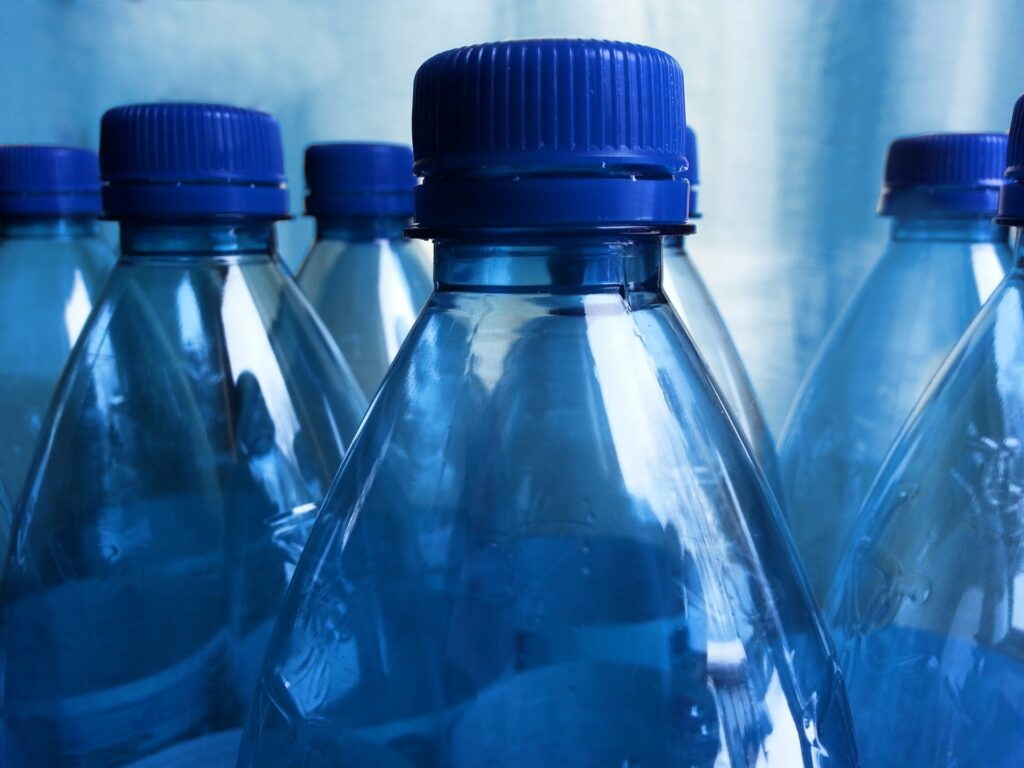
Image Source: www.publicdomainpictures.net