
Britons are finally waking up to the fact that Brexit has delivered far less than promised – 56 % now say the 2016 vote was wrong and a staggering 61 % call the outcome a failure. At the same time, a clear majority – 65 % – want a nearer relationship with the EU, and more than half would back a re‑join. The latest YouGov/ICM poll (June 2025) and a fresh 20‑thousand‑respondent survey on 6 January 2026 have forced the three main parties to rewrite their EU playbooks.
The numbers speak for themselves. Only 31 % still think leaving was the right call, while 68 % of original Leave voters cling to that belief. Yet 56 % would support the UK re‑joining the bloc and 45 % back a fresh referendum within five years. On trade, 52 % would align with EU rules for goods and products, and an overwhelming 71 % favour a common customs approach. Specific policy proposals enjoy solid backing: 53 % for EU animal‑ and plant‑health standards, 69 % for a new defence pact, 63 % for a youth‑mobility scheme and 43 % for shared fishing waters.
Trade, security and migration dominate the debate. Voters see economic benefit in tighter market integration but remain wary of wholesale rule‑taking – the 52 %/71 % split on goods rules and customs underlines that appetite. Security has become the Conservatives’ rallying cry, positioning themselves as the custodians of national safety while offering limited technical alignment. Immigration, once the cornerstone of the Brexit narrative, is losing salience in the January 2026 poll, yet 44 % still view a B‑return as the wrong focus, showing the issue’s lingering electoral weight.
Labour, under Keir Starmer, is betting on a pragmatic “single‑market‑for‑goods” formula. The party rules out joining the EU single market or customs union but proposes selective regulatory alignment on food, farm exports, electricity and emissions trading – a move touted as a cost‑of‑living fix that keeps borders under British control. The Conservatives, meanwhile, are pushing a “Brexit‑reset” bill that would let ministers align the UK with EU law in targeted sectors such as food standards, pesticide use and carbon markets, all while insisting any “dynamic‑alignment” that erodes sovereignty is off‑limits. Reform UK is sticking to a hard‑line anti‑EU stance, capitalising on the surge in scepticism to project 24 %–31 % of the popular vote in recent polls and warning that any deeper cooperation would dilute the legal independence won at Westminster.
The implications are clear: the public is critical of the Brexit gamble yet open to selective cooperation that delivers tangible benefits. Trade will be the primary battleground, with alignment on goods rules and customs offering the most immediate payoff for voters tired of higher food prices and supply‑chain snarls. Security remains a decisive narrative for the Tories, allowing them to claim a sovereign defence agenda while conceding modest technical alignment. Migration may be sliding down the agenda, but the split over a B‑return shows it will still be weaponised in electioneering.
Sidebar – Key Poll & Electoral Data
– 56 % say Brexit was the wrong decision (YouGov/ICM, June 2025)
– 61 % view the outcome as a failure
– 65 % want a nearer EU relationship; 56 % would support re‑joining
– 52 % favour aligning UK goods rules with the EU; 71 % back a common customs regime
– Labour voters: 55 % back goods‑rule alignment, 72 % back common customs
– Reform UK projected vote share: 24 % (YouGov, Jan 2026) – 31 % (Electoral Calculus, Dec 2025)
Britain now faces a politically fluid landscape where the old “Leave vs Remain” binary no longer holds. Parties must navigate a nuanced electorate that demands pragmatic cooperation on price‑driven trade issues, robust security partnerships, and a cautious approach to migration – all while keeping a tight grip on sovereignty. How they balance these competing pressures will shape not only the next general election but the very architecture of Britain’s future relationship with Europe.
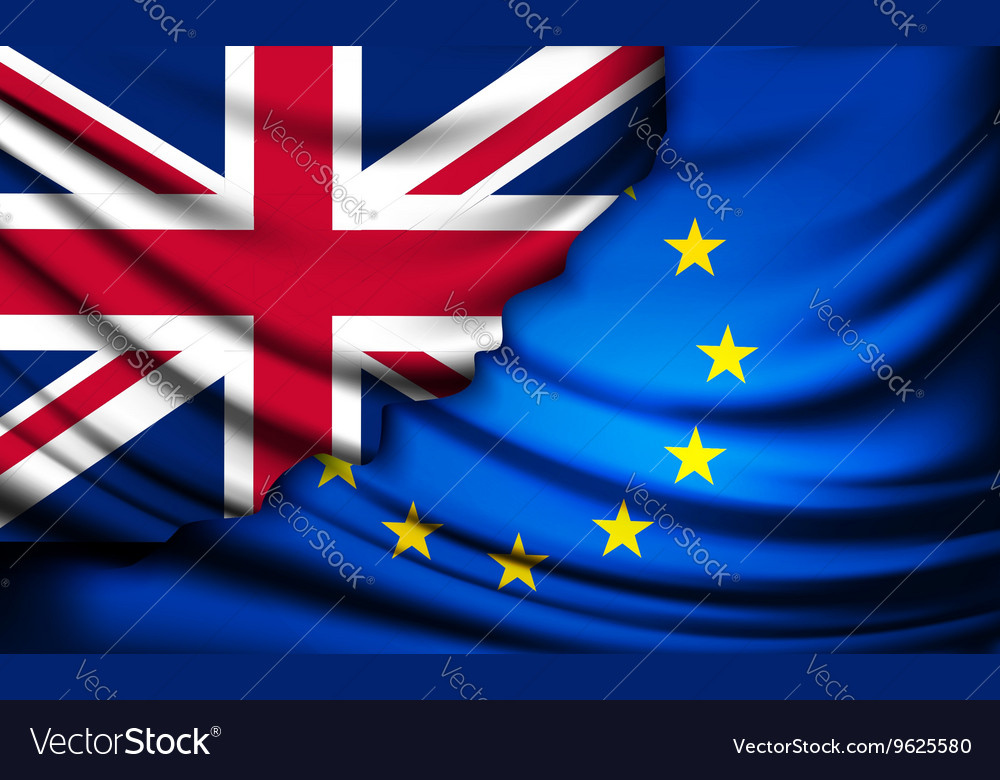
Image Source: www.vectorstock.com