
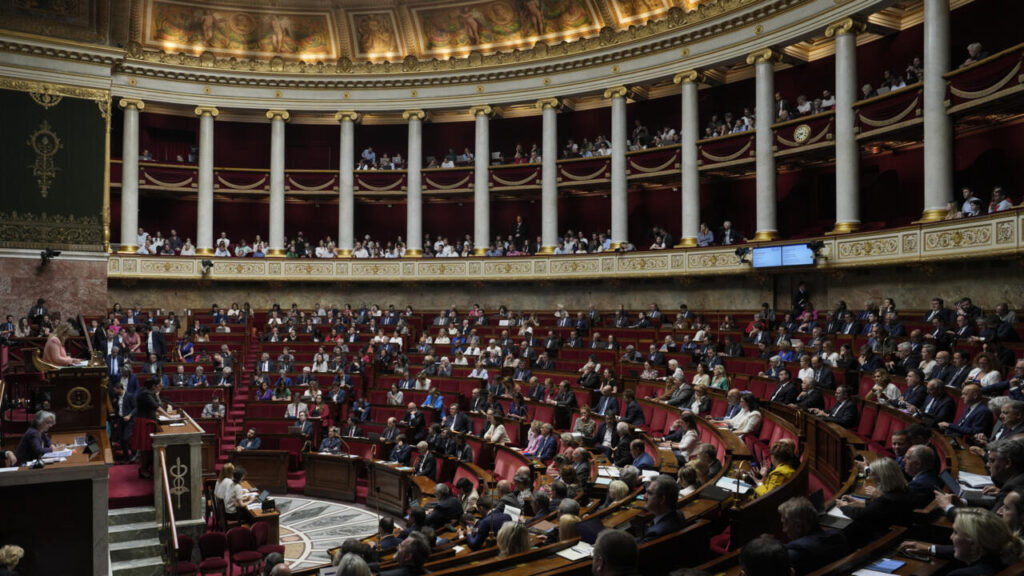

France’s 2026 budget has turned into a parliamentary showdown that could reshape Europe’s fiscal playbook. The National Assembly squeaked the Social‑Security Financing Bill through on 9 December with a 247‑to‑234 majority and 93 abstentions, only to see the Senate slam the same draft on 12 December with 182 votes against. The clash pits a modestly expansionary social agenda against a hard‑line demand for deeper cuts, and the outcome will echo far beyond Paris.
At the heart of the battle lie four headline items. First, the bill locks the social‑security deficit at €23 billion for 2025 and warns that it could swell to €30 billion in 2026. Second, it freezes the contentious rise of the statutory retirement age – a de‑facto suspension of President Macron’s 2023 pension reform until January 2028. Third, the health‑care component hints at maintaining current medical‑tariff structures, though the details remain opaque. Fourth, the narrow Assembly vote suggests a package of wealth‑tax tweaks and corporate‑tax reductions, but the exact measures are still under wraps.
The political arithmetic is razor‑thin. The governing centrist alliance only clinched its win by courting the centre‑left Socialist party, a move that alienated the conservative Republicans and some coalition hard‑liners. The Senate’s decisive 182‑against vote reflects a more fiscally austere bloc, eager to force deeper adjustments. With social security accounting for over 40 % of public‑sector spending, the two chambers are essentially fighting over the size of the fiscal envelope that the rest of the budget must fit into.
Domestic stakes are stark. A €23 billion deficit for 2025 – potentially rising to €30 billion the following year – signals that the government is prepared to tolerate a higher short‑term shortfall in exchange for political stability. Yet the Senate’s demand for sharper cuts threatens to force a recalibration that could plunge the deficit below the EU’s 3 % of GDP ceiling, but at the risk of sparking social unrest. The pension‑freeze buys political mileage with unions and left‑wing deputies, while simultaneously raising long‑term sustainability questions for a pension system already under strain.
From a European perspective, France’s dilemma is a litmus test for the EU’s revamped fiscal framework. The post‑2024 Stability and Growth Pact now gauges compliance through a single indicator that nets out tax‑policy changes, meaning that pure spending cuts are the most direct route to meeting the EU ceiling. The projected social‑security shortfall will be fed straight into the EU’s Debt‑Sustainability Analyses, with the next major assessment due in 2028 set to demand a tougher adjustment than the simple 3 % deficit rule. In short, the higher the net public‑expenditure figure, the more pressure France will face to deliver genuine fiscal effort before the 2028 DSA.
Three scenarios loom. A spending‑focused adjustment would slash social programmes, reinstate pension‑reform measures and keep tax changes modest – satisfying the EU indicator but courting domestic protest. A tax‑driven route would preserve most social outlays, continue the pension freeze, and lean on wealth‑tax tweaks and corporate‑tax cuts, which the single indicator would partially offset, yet risk criticism from fiscal conservatives. A hybrid compromise – modest social cuts paired with a limited tax package – could thread the needle, but would require both chambers to concede core priorities in a prolonged negotiation.
The legislative timetable is already ticking. After the Assembly’s 9 December approval and the Senate’s 12 December rejection, the bill must return for a second reading, extending the legislative calendar into the new year. If the chambers reach a consensus before the end of December, the final budget could be presented to the Council of Ministers in early January, allowing France to meet the EU’s reporting deadline for 2026. Failure to close the gap swiftly would not only delay domestic implementation but also feed uncertainty into the EU’s fiscal surveillance mechanisms, amplifying the stakes for the whole eurozone.
Image Source: www.france24.com