
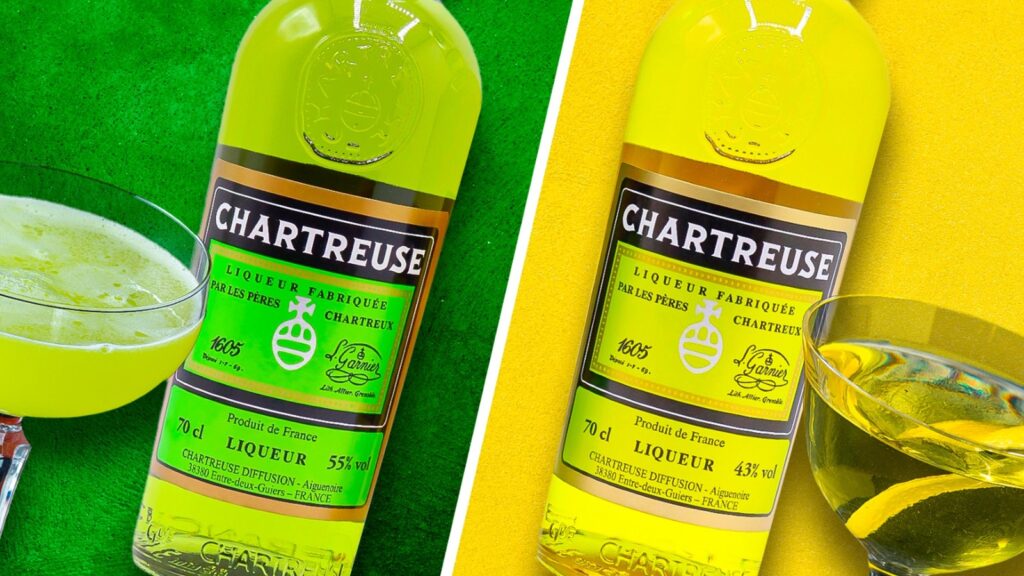

Chartreuse has become the world’s most coveted monastic spirit, and the Carthusian monks are unapologetically leaning into that scarcity. By voluntarily limiting output to roughly 1.2 million bottles a year – a ceiling first imposed in 2019 and tightened in 2021‑23 – the order has turned a modest herbal liqueur into a luxury asset that saw sales surge 47 % in 2023 despite the cap. Retail prices now sit comfortably between $60 and $90 a bottle, nudging the drink into the same price bracket as the most exclusive whiskies, while vintage bottles fetch well over $1,000 on the secondary market.
The story begins in 1605, when a mysterious manuscript arrived at the Grande Chartreuse monastery in the French Alps. Over the centuries the monks refined a secret blend of about 130 herbs, plants and flowers – a formula hand‑transcribed in 1764 and guarded by only two silent monks at any one time. In 1970 the lay arm Chartreuse Diffusion was created to bottle, market and distribute the spirit worldwide, but the monastic core has kept full control over the recipe, botanical selection and final sensory approval. After a brief flirtation with expansion in the early 2010s, the order halted growth in 2019, citing climate‑driven botanical scarcity and a desire to protect their contemplative rhythm. By April 2023 Dom Dysmas summed it up: “infinite growth is no longer possible,” linking the cap to both environmental stewardship and the order’s spiritual mandate.
The modern production line still feels like an alchemical rite. Each season the monastery receives roughly 18 tonnes of dried botanicals, which the monks sort, crush and weigh in the cloister’s “plant room”. The blended herbs are packed into numbered bags and shipped to the Aiguenoire distillery in Voiron, where they undergo a high‑proof maceration, stainless‑steel distillation and a period of oak‑vat ageing. After the spirit rests, it returns to the monks for a final sensory test – the same silent custodians who hold the 130‑herb manuscript are the only ones authorised to sign off each batch for bottling. Only then does Chartreuse Diffusion handle labelling, packaging and global distribution.
In a rare glimpse behind the veil, the monk‑distiller who oversees the botanical preparation explained why the order refuses to scale up. He reiterated the 2023 environmental statement, noting that recent heatwaves in the Chartreuse Mountains have made many of the required herbs increasingly erratic. “We limit the quantity of botanicals at the source,” he said, “because a larger harvest would force us to stretch the monastic rhythm and increase our carbon footprint.” He also highlighted the practical side: the cap preserves the monks’ work‑prayer balance, allowing the distillery to run on a predictable schedule without resorting to larger, energy‑intensive batches. Shipping to New York by sea rather than air in 2024‑25 is another concrete step that reflects the order’s low‑impact ethos.
The market has responded with fervour. Chartreuse now enjoys a premium‑price tier that outstrips many ultra‑premium whiskies, while imports to the United States have risen 42 % since 2020, fuelled by a cocktail renaissance and a Gen‑Z fascination with monastic authenticity. Analytics from 2024 show that 68 % of new American purchasers are aged 22‑34, a cohort that values story‑driven products and shares their experiences on TikTok and Instagram. The liqueur’s vivid green and mellow yellow expressions have become “secret weapons” in high‑end bars, featuring in signature drinks such as the Last Word and the Bijou, and cementing Chartreuse’s status as an essential ingredient in modern mixology.
Tasting guide – a quick sidebar
– Green Chartreuse (55 % ABV): Intense, pine‑sharp, with notes of thyme, rosemary and a whisper of citrus. Best enjoyed neat, on the rocks, or in a classic Last Word (gin, lime, maraschino).
– Yellow Chartreuse (40 % ABV): Softer, honey‑sweet, with subtle floral and herbal undertones. Ideal as a digestif, over ice, or in a Bijou (gin, sweet vermouth).
– Serving tip: A few drops in a gin‑based cocktail can transform it from ordinary to extraordinary; a splash in a chilled white wine adds unexpected depth.
Chartreuse proves that heritage, controlled scarcity and a clear narrative can propel a centuries‑old monastic elixir to the apex of the global premium‑spirits market. As long as the Carthusian order safeguards its recipe, respects the limits of the alpine climate, and keeps the monks at the heart of quality control, the green and yellow bottles will continue to be both a spiritual artefact and a coveted collector’s item – a rare alchemy that the modern world can’t get enough of.
Image Source: www.tastingtable.com