
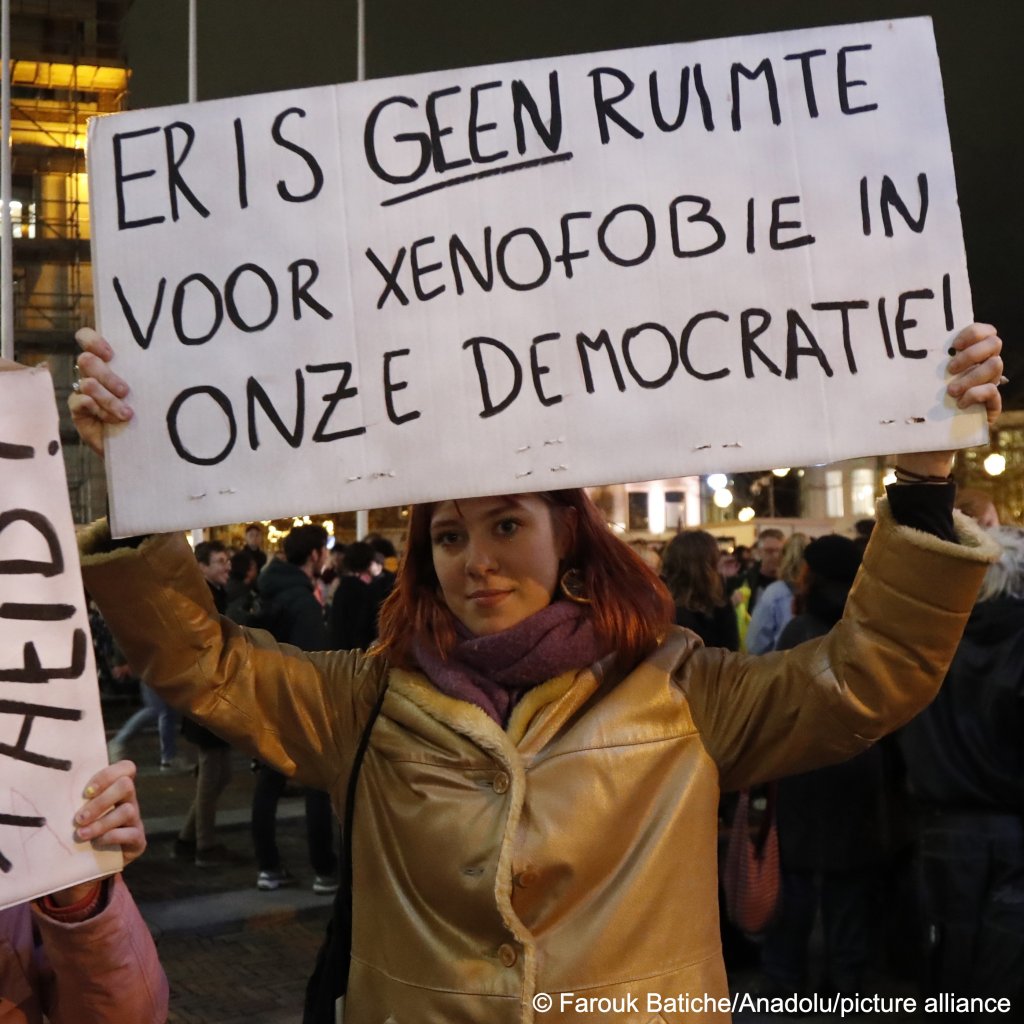

The tiny Dutch municipality of Tubbergen has erupted into a national asylum showdown, with the former Landhotel ’t Elshuys in the village of Albergen being turned into a reception centre for up to 300 asylum‑seekers – a move residents say was imposed on them “without any consultation”. Nightly protests, arson attacks on the site and a flood of legal complaints have turned what was meant to be a humanitarian facility into a flashpoint for a broader debate on democratic legitimacy and the distribution of migration responsibilities across Europe.
From the first public hearing on 23 August 2022, locals complained they had been “completely passed over” and that “there was totally no communication with the inhabitants”. The mayor, who described the municipality as “unpleasantly surprised”, confirmed that the national cabinet announced the purchase of the 27‑room hotel without a prior agreement with the council. Residents argue the building, which only holds 74 beds, cannot safely accommodate the planned 150‑300 occupants and that its proximity to homes of very elderly people and a street full of children makes it “the wrong environment for an AZC”. Safety fears have been compounded by reports of arson, threats against council members and even a GPS‑tracker allegedly placed under the mayor’s car, while the municipal complaint process has been described as “intimidating” and “opaque”.
The Dutch National Ombudsman’s December 2025 report acknowledges these procedural shortcomings but insists the municipality acted within the law. Citing the 2022 Housing and Integration Act and the Housing Act (Huisvestingswet), the Ombudsman notes that municipalities are obliged to provide reception capacity when assigned by the central government and may set allocation rules in the public interest. Nonetheless, the report scolds Tubbergen for outsourcing complaint handling to a law firm already involved in the case, for breaching the statutory 14‑week deadline (some complaints lingered for nine months), and for failing to have any municipal representatives present at hearings – a “procedural inadequacy” that does not, however, overturn the legal compliance of the decision.
Financially, the saga has drained the small town’s coffers. Between 2022 and 2024 the municipality spent almost €2 million on the AZC, with legal fees topping €70,000 in 2024 alone and information‑request processing costs approaching €120,000 in 2023. The cumulative outlay underscores how top‑down asylum placements can impose a heavy fiscal burden on local authorities ill‑equipped to absorb such expenses.
Tubbergen’s experience mirrors a growing pattern identified by the European Migration Network: municipalities across the EU are pushing back against centrally imposed reception sites, demanding transparency, impact assessments and genuine participation. The EU’s 2025 migration‑reform package, which expands removal capacities, creates overseas asylum‑processing centres and establishes a “solidarity pool” obliging all member states to either resettle migrants or contribute financially, further centralises decision‑making. Without mechanisms for early, meaningful consultation, the risk of local backlash – and the costly legal battles that follow – is set to increase as the new framework rolls out in 2026.
Sidebar – EU asylum regulations 2025‑2026
The 2025 EU migration‑reform package introduces three key pillars: (1) a unified “solidarity pool” that distributes asylum‑seeker quotas and financial contributions across all member states, regardless of pressure levels; (2) the creation of overseas processing centres in third‑country partners, aimed at reducing arrivals on European shores; and (3) tighter removal procedures, including faster appeals and expanded return options. The reforms are presented as a way to balance burden‑sharing and curb irregular migration, but they also shift greater authority to the European Commission and national governments, leaving municipalities to grapple with the practicalities of implementation. The European Migration Network calls for mandatory local impact assessments and transparent allocation processes to prevent the kind of “democratic deficit” witnessed in Tubbergen.
In sum, Tubbergen’s clash illustrates that legal compliance alone will not secure community acceptance of asylum‑seeker facilities. Transparent, inclusive processes that respect local concerns while meeting EU solidarity obligations are essential if Europe is to build a migration system that is both humane and socially cohesive. The town’s costly ordeal should serve as a cautionary tale for policymakers: the success of any asylum framework hinges as much on democratic legitimacy at the municipal level as on the statutes that govern it.
Image Source: www.infomigrants.net