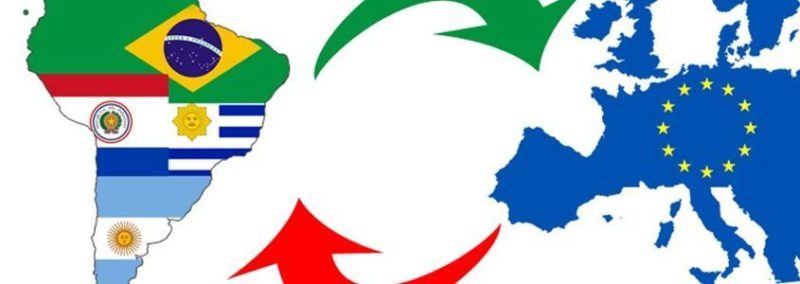

The EU‑Mercosur free‑trade pact, signed in principle on 6 December 2024, is set to wipe tariffs from the vast majority of goods flowing between Europe and South America – but it is also igniting the most ferocious farmer protests the bloc has seen in a decade. With the European Parliament and Mercosur legislatures due to sign off before the year is out, the deal hangs between a potential commercial bonanza and a political tinderbox that could explode at any moment.
At its core the agreement promises to eliminate duties on 92 % of Mercosur exports to the EU within ten years and on 91 % of EU exports to Mercosur over fifteen years. Industrial products such as cars, machinery, aircraft parts and pharmaceuticals will enjoy a 90 % tariff cut in the Latin‑American markets, while the EU retains a modest 99 000‑tonne beef quota protected by duties above 40 % once the limit is breached. Both sides have also agreed to tighter safeguard triggers – duties can be re‑imposed if a Mercosur product is at least 5 % cheaper and imports rise by more than 5 % – and the EU can suspend preferential tariffs on sensitive agricultural goods like poultry, beef, eggs, citrus and sugar.
For Mercosur’s farm sector the upside is dramatic. Duty‑free access for beef, pork, sugar, rice, honey and soybeans could turn a €20.1 billion EU trade deficit with the region into a surge of sales, building on the US $23.3 billion worth of agricultural and agri‑food exports the bloc already shipped to Europe in 2024. The removal of tariffs on 92 % of Mercosur exports is poised to flood EU supermarkets with cheaper meat and soy, reinforcing supply chains that already rely heavily on South‑American feedstock.
European exporters stand to reap comparable gains. German officials have flagged the pact as a lifeline for the EU automobile industry, while the removal of 90 % of tariffs on machinery, aircraft parts and pharmaceuticals opens vast new markets for manufacturers across the continent. Preferential treatment for EU dairy and wine in Mercosur countries, though modest, offers a political concession to two traditionally protected sectors and could translate into higher margins for producers willing to tap into the Latin‑American palate.
Environmental safeguards are woven into the fabric of the deal, but they remain a point of contention. The agreement embeds a monitoring framework focused on beef, poultry and sugar imports, granting the European Parliament the authority to re‑impose duties if these products trigger the 5 % price‑competitiveness and volume thresholds – a direct link between market access and environmental performance. Mirror‑measure provisions obligate Mercosur to match any EU‑wide tariff cuts, a concession extracted by farming lobbies to prevent asymmetrical liberalisation that could jeopardise European agriculture.
Yet the political backlash is already palpable. Since mid‑December 2025, tractors have blocked highways, fires have been set outside government buildings and clashes with police have erupted during the European Council summit on 18 December 2025. Farmers in France, Spain, Poland and Hungary fear that a flood of cheap South‑American meat will undercut domestic production, while environmental NGOs warn the pact could accelerate deforestation linked to soy and cattle. Brazilian President Luiz Inácio Lula da Silva has repeatedly urged Brussels to seal the deal, branding it essential for multilateral trade, while the European Parliament’s adoption of a regulation on safeguard clause application on 16 December 2025 signals a reluctant attempt to placate dissent.
The bottom line is stark: the EU‑Mercosur pact could reshape trade flows worth tens of billions of dollars, opening new horizons for European industry and South‑American agriculture alike. But without credible enforcement of the safeguard and environmental clauses, the deal risks being derailed by a wave of farmer unrest and a loss of public confidence in the EU’s ability to marry market liberalisation with climate commitments. As ratification looms, policymakers must decide whether the economic prize justifies the political gamble, or whether the pact will become another casualty of Europe’s fraught trade politics.
Image Source: www.pincvision.com