
Flixtrain’s 2028 high‑speed rollout could turn a routine German upgrade into a game‑changer for British tourists and business travellers alike.
From 2028 the Munich‑based operator will launch a “four‑fold” increase in train frequencies, linking every major German metropolis with a dense, high‑frequency service Flixtrain plans to run four times as many trains across Germany. While the announcement makes no mention of new cross‑Channel routes, the sheer scale of the network suggests a ripple effect for Euro‑Rail connections that already serve the UK.
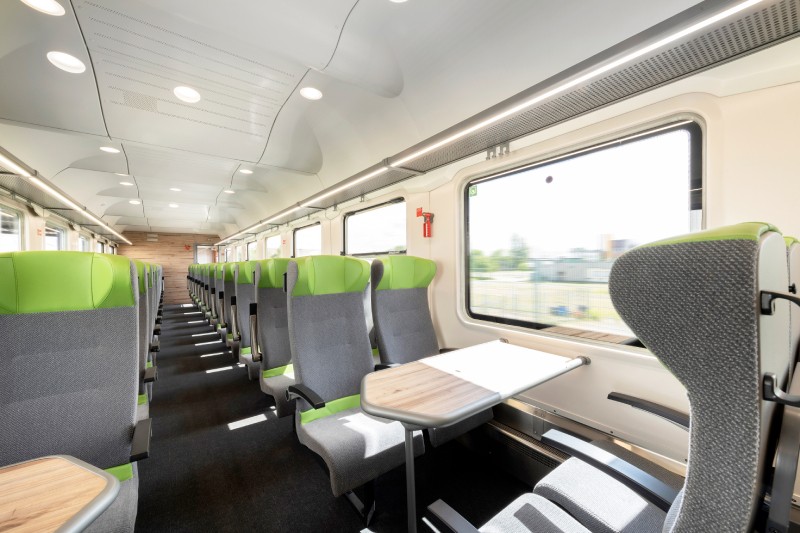
The new long‑distance high‑speed fleet will dovetail with existing Eurostar services, meaning passengers could board a Flixtrain from Berlin or Munich and, after a quick change at Cologne or Frankfurt, glide through the Channel Tunnel onto a British‑bound Eurostar.
Pricing will be a decisive factor. Flixtrain intends to undercut incumbent operators by offering “dynamic‑pricing” tickets, with early‑bird fares as low as £29 for a London‑Berlin leg, while premium seats on the high‑speed sets will sit around £120. If those figures hold, the price gap could lure budget‑conscious travellers away from airlines and even from the more expensive Eurostar fares.
Analysts warn that the UK rail market may feel the pressure sooner rather than later. With Flixtrain’s German hub expanding, UK operators could face a competitive squeeze on routes that feed into the Channel Tunnel, prompting a rethink of service frequencies and fare structures on the British side. The prospect of a denser, cheaper continental network also raises questions about capacity at key interchange stations such as London St Pancras and Brussels‑Midi, where congestion could spike if demand surges.
In short, Flixtrain’s 2028 ambition is not just a German story – it is a signal that the entire Euro‑Rail ecosystem, and especially the UK’s gateway to Europe, may need to brace for a faster, cheaper, and more interconnected future.
Image Source: www.flixtrain.com