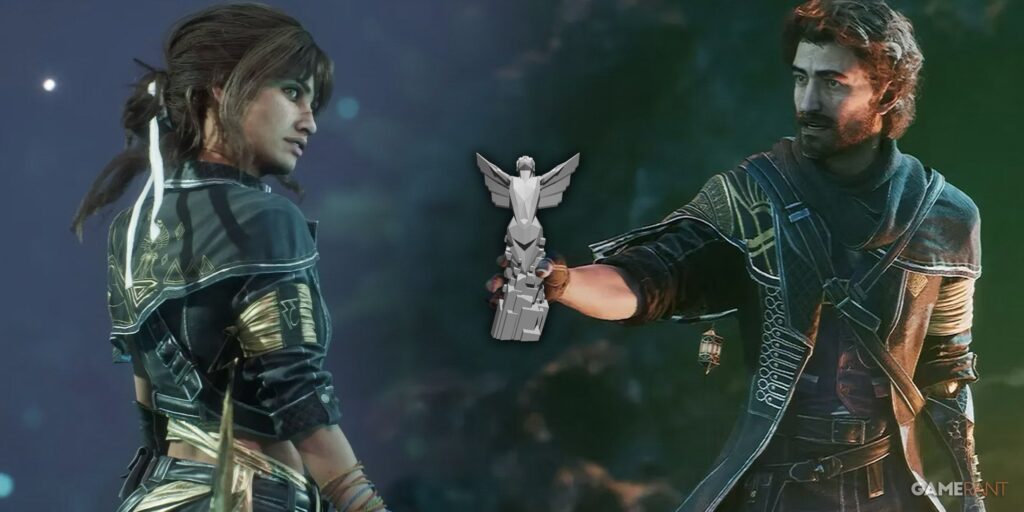

Clair Obscur: Expedition 33 ripped through the 2025 Game Awards, scooping a record nine trophies – including Game of the Year – and leaving heavyweight rivals such as Red Dead Redemption 2 in the dust. The triumph isn’t a flash‑in‑the‑pan miracle; it is the first high‑profile proof that a tightly‑woven European support system can turn a modest €6 million indie budget into a continent‑wide blockbuster.
The Montpellier‑based studio behind the title, Studio Lumen, built the game on a cocktail of public money that would make a Hollywood producer blush. A 30 % French R&D tax credit shaved €1.8 million off the development bill, while a €500 000 Creative Europe grant forced a co‑production pact with Poland’s DreamForge, unlocking cross‑border expertise. Early‑stage seed funding arrived from the Occitanie Game Lab (€150 000) and a €200 000 CLAIR “internationalisation” grant that paid for trade‑show travel and a multilingual localisation team – a financial scaffolding that let the creators focus on art, sound and narrative rather than cash‑flow survival.
That scaffolding is bolstered by a talent pipeline that Europe has been quietly perfecting. Graduates of ENJMIN and Supinfogame – Léa Moreau, Karim Ben‑Saïd and Maya Roussel among them – populated the core team, benefitting from curricula that blend theory with hands‑on engine work. Ubisoft’s Montpellier studio added a layer of polish, sending senior engineers to mentor Lumen’s optimisation efforts and sharing tools normally reserved for multi‑million‑dollar AAA projects. The six‑month stint of two DreamForge programmers in Montpellier cemented a hybrid culture and delivered native‑quality Polish localisation from day one.
Policy reforms have turned the bureaucratic nightmare of pan‑European releases into a relatively smooth ride. Since 2024 a single EU‑wide PEGI rating suffices, slashing the paperwork that once required separate dossiers for every member state. The EU‑Export‑Boost 2024‑25 scheme handed the studio a 20 % rebate on its multilingual trailer campaign, a boost that helped the video rack up 12 million YouTube views in the first fortnight. Meanwhile, the updated Copyright Directive trimmed software IP registration from months to weeks, protecting the game’s narrative and artistic assets across the whole bloc.
European publishers are already re‑tooling their playbooks to harvest the same formula. Focus Home Interactive and Nacon have merged their publishing arms under a single EU legal entity, offering indie developers a one‑stop shop for localisation, marketing and storefront placement. Good Shepherd Entertainment’s AI‑augmented localisation hub can push updates in five languages within 48 hours – a capability that proved vital for Clair Obscur’s post‑launch DLCs. Devolver Digital’s “European Gateway” deal with the European Games Federation guarantees a minimum €250 000 EU‑wide marketing spend and prime placement on PlayStation, Xbox and Steam fronts, while many publishers are bundling titles to maximise the Export‑Boost rebate.
For the consumer, the ripple effect is already palpable. A flood of multilingual trailers, rapid patch cycles and a steady stream of narrative‑driven indie releases mean European gamers will see more locally‑flavoured content on their favourite platforms, not just the usual US‑Asian imports. Cultural‑quota mandates in Germany and Spain are forcing digital storefronts to showcase EU‑originated titles, giving games like Clair Obscur preferential shelf‑space and, ultimately, a better chance of being discovered.
The emerging export model is a virtuous circle: public funding fuels talent, talent creates award‑winning products, and those products unlock policy incentives and publisher investment that feed the next wave. If the French success story can be replicated across the continent, Europe may finally have the infrastructure to turn indie masterpieces into export‑ready powerhouses – and the rest of the world will have to take notice.
Image Source: gamerant.com