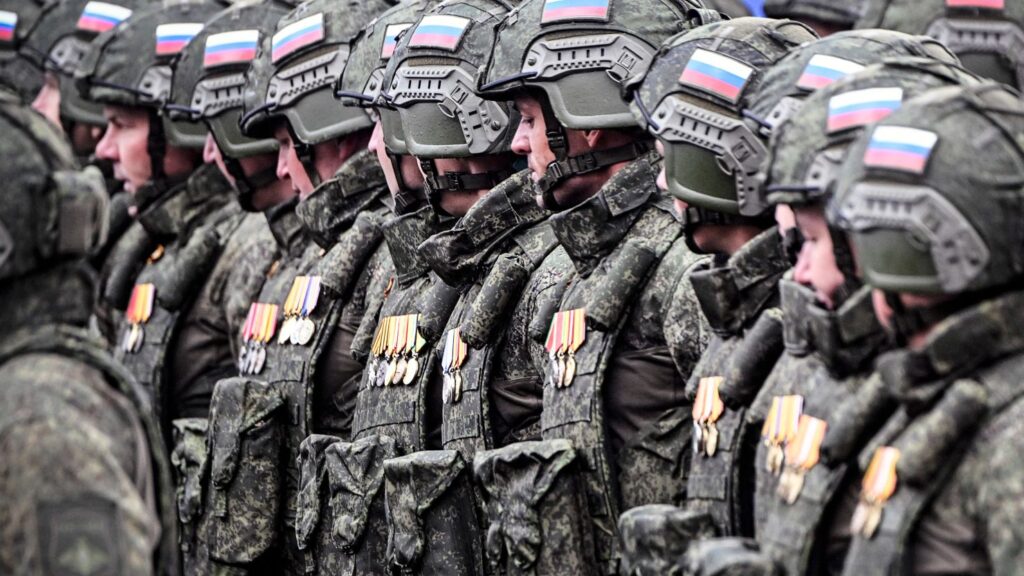

Russia’s grandiose bid to re‑enter the world stage via sport has, by all accounts, turned out to be an exercise in wishful thinking. In a year when Moscow’s ice rinks and Sochi’s winter tracks should have been the centrepieces of a diplomatic showcase, the only high‑profile event that actually landed on the calendar was the UEFA Nations League Finals – and that, shockingly, in Munich, not Moscow. The European Union’s sports bodies have stayed stubbornly quiet, simply hanging on to the sanctions that were first slapped on in February 2022. The result is a campaign that looks good on paper but is barely a blip on the radar.
The story begins in early 2025, when Russian officials, desperate to shed the stigma of a nation under siege, announced that they were “actively exploring” the possibility of hosting the World Athletics Championships, the Winter Universiade in Sochi, and even a return to the UEFA Nations League Finals. Yet, the public record shows none of those bids materialised. The 2025 Nations League Finals were held in Germany from 4–8 June, with Portugal beating Spain on penalties in the final at Allianz Arena. No Russian venues were involved, and no state‑funded promotional material appeared in the lead‑up to the tournament.
There is also a complete lack of evidence that the Kremlin poured money into a sports‑diplomacy engine this year. No budget line‑items were disclosed for promotional activities, sponsorship deals, or athlete‑exchange programmes that could tie a sporting event to a larger foreign‑policy agenda. In short, the 2025 campaign appears to be more a rhetorical flourish than a funded, coordinated effort.
The European Athletics Association, which had been tightening its grip on Russian athletes since the invasion, has made no new moves. Its sanctions remain in place, and it has not issued any fresh condemnation or policy shift regarding Russian participation in 2025. UEFA, on the other hand, kept its comprehensive ban on the Russian national team and clubs firmly in place, a stance that the Court of Arbitration for Sport upheld after six Russian appeals were dismissed. No new sanctions, no new statements – the EU’s sports governance apparatus has simply kept the status quo.
For those who love maps, imagine a simple line chart that traces the EU’s response across the bloc. Every member state is coloured the same shade, indicating a uniform, unchanging policy: no Russian participation in any EU‑sanctioned sporting event. The map would show a thick, dark line encircling Russia’s sporting ambitions, a stark reminder that the EU has chosen to keep its distance, even as Moscow attempts to play the game of diplomacy on a global field.
Experts suggest that this lack of tangible action on Russia’s part is a sign that the country’s sports diplomacy is still a paper project. “It’s an aspirational narrative rather than a concrete campaign,” one commentator said. “The Kremlin is using sport as a rhetorical device, but without the financial backing or the event bids, it’s all smoke and mirrors.” The EU, meanwhile, remains focused on the bigger picture, treating sport as a tool to enforce its broader sanctions regime rather than a battlefield in its own right.
In the end, Russia’s 2025 sports offensive is a quiet episode in an otherwise tumultuous diplomatic saga. The country’s ambitions to regain credibility through the universal language of sport have been met with a steady, if unremarkable, response from the EU – a reminder that the power of sport to sway international opinion is only as strong as the policy that backs it. As the winter wind howls across the Black Sea, the only thing that seems to be in motion is Russia’s continued hope that one day the world will let it back onto the field.
Image Source: edition.cnn.com