
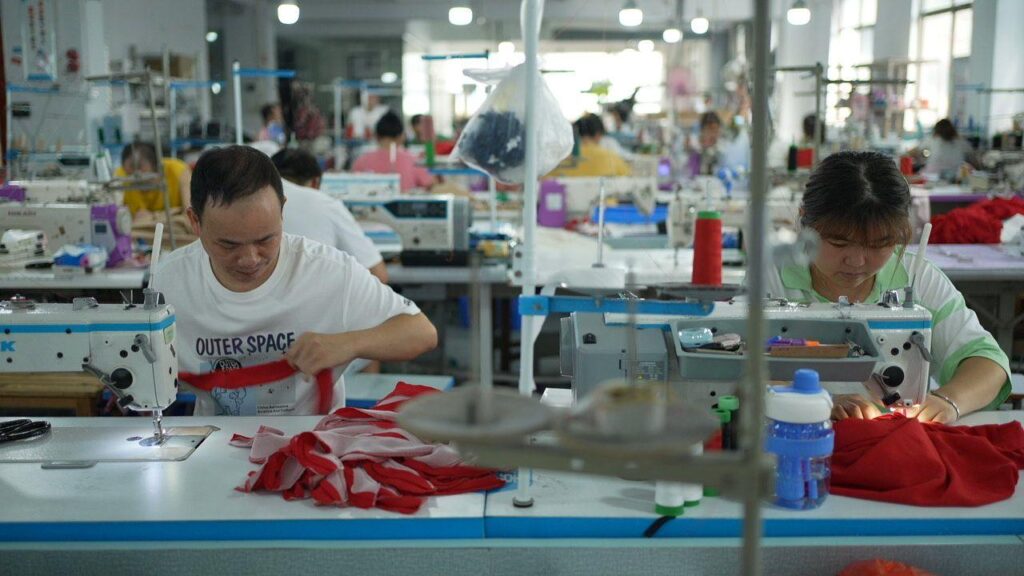

Shein’s ultra‑cheap dresses are stitched on 14‑hour shifts, with no weekends and salaries of barely €500 a month – a reality that European shoppers rarely see behind the glossy Instagram posts. The European Union has now turned that hidden misery into a legal liability, binding retailers to guard overseas labour standards as rigorously as they protect domestic consumers.
The Corporate Sustainability Due‑diligence Directive (CSDDD), adopted in March 2024 and transposed this year, forces any EU‑based group with at least 1 000 employees worldwide or €450 million in global turnover (including a €150 million EU minimum) to map, assess and remediate human‑rights risks across their entire value chain. In practice, a French high‑street chain that sells Shein‑style fast‑fashion must produce a public map that lists every Chinese factory, tier‑two subcontractor, logistics firm and even the recruitment agencies that feed the production line. The parallel Forced‑Labour Regulation (FLR) bans any product made with forced labour from entering the EU market, a rule that will take effect on 14 December 2027.
Mapping alone is only the first step. The CSDDD’s seven‑step due‑diligence cycle demands a granular human‑rights risk assessment, ranking each partner by the severity and likelihood of forced labour, excessive overtime or unsafe conditions. Factories that, like those described by Le Figaro, keep workers on 10‑12‑hour schedules with no rest days are automatically flagged for deeper scrutiny. Companies must then embed contractual safeguards, fund capacity‑building for small‑scale suppliers and, where necessary, shift sourcing away from the most hazardous sites – all under the watchful eye of national authorities who will begin enforcing the rules in 2027.
While legislators tighten the screws on supply‑chain transparency, consumer‑protection bodies have moved in parallel to police the downstream market. On 26 May 2025 the EU’s Consumer Protection Cooperation (CPC) Network sent Shein a formal notification listing breaches of EU consumer law: fake discounts, pressure selling, misleading sustainability claims and opaque return policies. The notification, coordinated by authorities in Belgium, France, Ireland and the Netherlands, demanded exhaustive data on product rankings, review handling and the division of responsibility between Shein and its third‑party sellers.
The CPC’s alert was the prelude to a full‑blown Commission investigation announced on 13 December 2025. The Commission’s toolkit, released alongside the probe, proposes sweeping customs‑union reforms – ending duty exemptions for low‑value parcels and creating a decentralised EU Customs Authority – and AI‑driven product‑safety monitoring to ensure that every garment sold on platforms like Shein complies with EU safety standards. By linking unfair commercial practices to the underlying labour abuses exposed in Chinese workshops, the Union is signalling that deceptive marketing and exploitative production are two sides of the same coin.
For European fashion retailers, the message is unambiguous: invisible supply chains are no longer a shield. Companies must invest in robust visibility platforms, integrate risk‑scoring software that flags factories with histories of forced‑labour‑type practices, and renegotiate contracts to embed enforceable labour clauses. The financial outlay – audits, training programmes and possible reshoring – will be steep, but the alternative is a cascade of administrative fines, civil liability and, ultimately, bans on market access once the CSDDD and FLR become enforceable.
The convergence of rigorous due‑diligence obligations and an empowered consumer‑protection framework offers a rare strategic opening. Retailers that proactively align with the EU’s new regime can differentiate themselves as genuinely ethical, tap into funding for supplier capacity‑building and mitigate the risk of sudden supply‑chain disruptions. As 2027 looms, the fashion industry will be forced to choose between the seductive allure of ultra‑fast, low‑price apparel and the hard‑won standards of European labour rights and consumer law. The era of cheap clothing divorced from human dignity is drawing to a decisive close.
Image Source: www.bbc.co.uk