
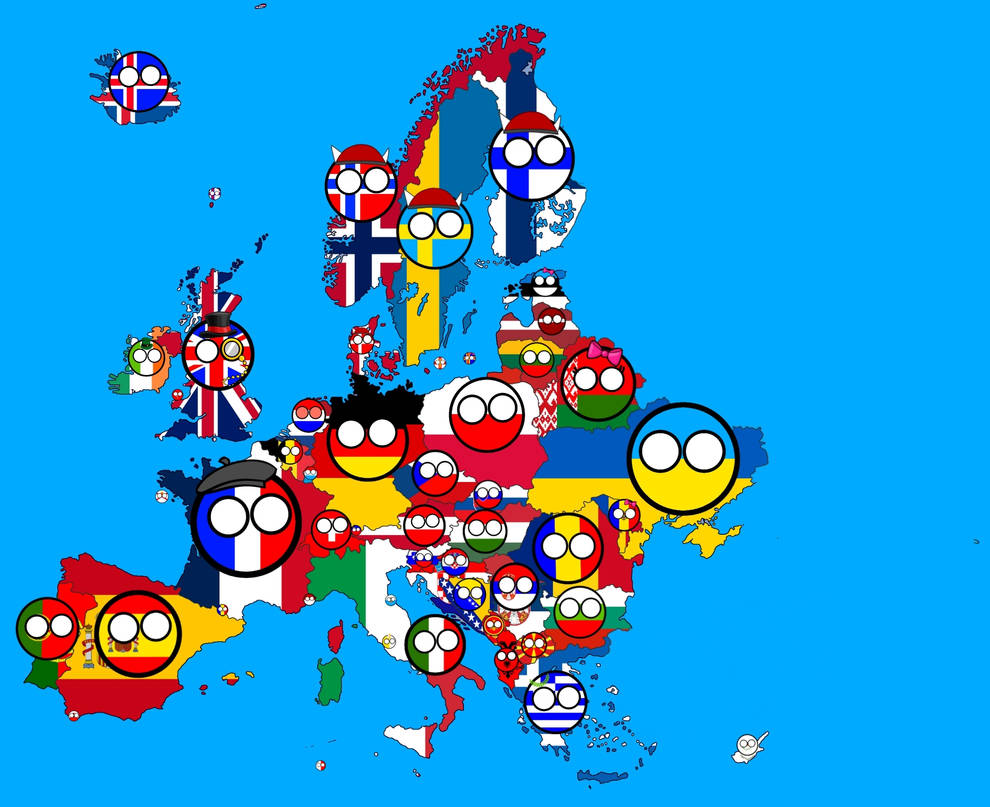

The NBA is about to turn Europe into its own basketball continent, while the Australian Open has already reshaped the WTA hierarchy in a single fortnight. In a bold move announced in January, the league will roll out a 16‑team competition in October 2027, and the Melbourne Grand Slam has seen three of the women’s top‑ten lose more than a thousand points each – proof that sport’s geography is being redrawn faster than a fast‑break.
The NBA’s European project, dubbed “NBA Europe”, is pitched as a hybrid of the EuroLeague’s licensing model and the NBA’s franchise stability. Up to twelve permanent franchises will be anchored in cities with proven arena capacity, while four to six spots will be earned each season through a merit‑based qualification pathway that pulls clubs from FIBA‑affiliated domestic leagues. The schedule is designed to sit neatly between the traditional European league windows and the NBA’s own season, ensuring the new league does not cannibalise existing competitions.
– Team composition: 16 clubs at launch – 12 long‑term licences, 4‑6 qualification spots.
– Core cities: London, Manchester, Dublin, Barcelona, Lisbon, Milan, Amsterdam, Zurich (Western); Berlin, Paris, Frankfurt, Prague, Warsaw, Vienna, Budapest, Brussels (Eastern).
– Potential expansion: Rome, Munich, Madrid, Athens, Istanbul, Lyon.
– Showcase venues for 2026‑2028 tour: London’s O2 Arena, Manchester Arena, Berlin’s Mercedes‑Benz Arena, Paris’s AccorHotels Arena.
Across the opposite side of the globe, the 2026 Australian Open turned the WTA rankings into a roller‑coaster. World No 1 Aryna Sabalenka crashed out in the second round, shedding 1 230 points and dropping to 9 760. Iga Świątek and Coco Gauff both bowed out in round one, losing 770 and 420 points respectively. Madison Keys, sitting ninth before the tournament, saw her total plunge by 1 990 points after a first‑round defeat. By contrast, Amanda Anisimova, Elena Rybakina and Jessica Pegula each added a modest ten points, keeping their positions largely intact.
– Sabalenka: 10 990 → 9 760 (‑1 230)
– Świątek: 8 328 → 7 558 (‑770)
– Gauff: 6 423 → 6 003 (‑420)
– Keys: 4 111 → 2 121 (‑1 990)
– Anisimova / Rybakina / Pegula: +10 each
The parallel narratives reveal a common market logic: high‑visibility events are being weaponised to accelerate commercial footholds. The NBA is betting on a continent‑wide league to generate franchise fees, multi‑platform media rights (NBA +, ESPN Europe, DAZN) and ticket revenue from iconic arenas. Meanwhile, the Australian Open’s ranking volatility fuels broadcast intrigue and sponsor interest, as a single upset can rewrite a player’s endorsement value overnight. Both ventures underscore a shift from nation‑centric ecosystems to cross‑border, data‑driven models that prize narrative as much as on‑court performance.
Looking ahead, the success of NBA Europe will hinge on whether the hybrid licence‑plus‑qualification format can satisfy both investors seeking stability and fans craving the drama of promotion and relegation. The Australian Open has already proved that the Grand Slam’s storytelling power can swing market dynamics in seconds, a lesson the NBA will no doubt study as it prepares its October launch. As Europe braces for a new basketball season and the tennis world digests Melbourne’s shockwaves, the old map of sport is being redrawn – and the prize is the global fan’s attention.
Image Source: www.deviantart.com