
The Netherlands is juggling three environmental ticking‑time‑bombs: a 58‑year‑old dolphin still locked in a concrete tank, a forest choked by dog droppings, and offshore‑wind farms stalled in a maze of permits. Each story sits on a different stage of the country’s climate‑and‑nature agenda, yet they all expose the same chronic blind spot – a lack of hard data to turn ambition into accountability.
Honey, the nation’s oldest captive dolphin, has spent decades swimming in a pool that was never meant to be a permanent home. Animal‑rights groups argue that her confinement is a relic of a bygone era, a vivid reminder that the Netherlands’ environmental conscience still tolerates antiquated practices while touting itself as a green leader. Meanwhile, a modest woodland near Ulvenhout has become a micro‑cosm of the nation’s nitrogen crisis: local residents have documented how a steady stream of dog waste is turning the forest floor into a nitrogen‑rich carpet, threatening fragile flora and the EU‑protected Natura 2000 sites that depend on low‑impact ecosystems.
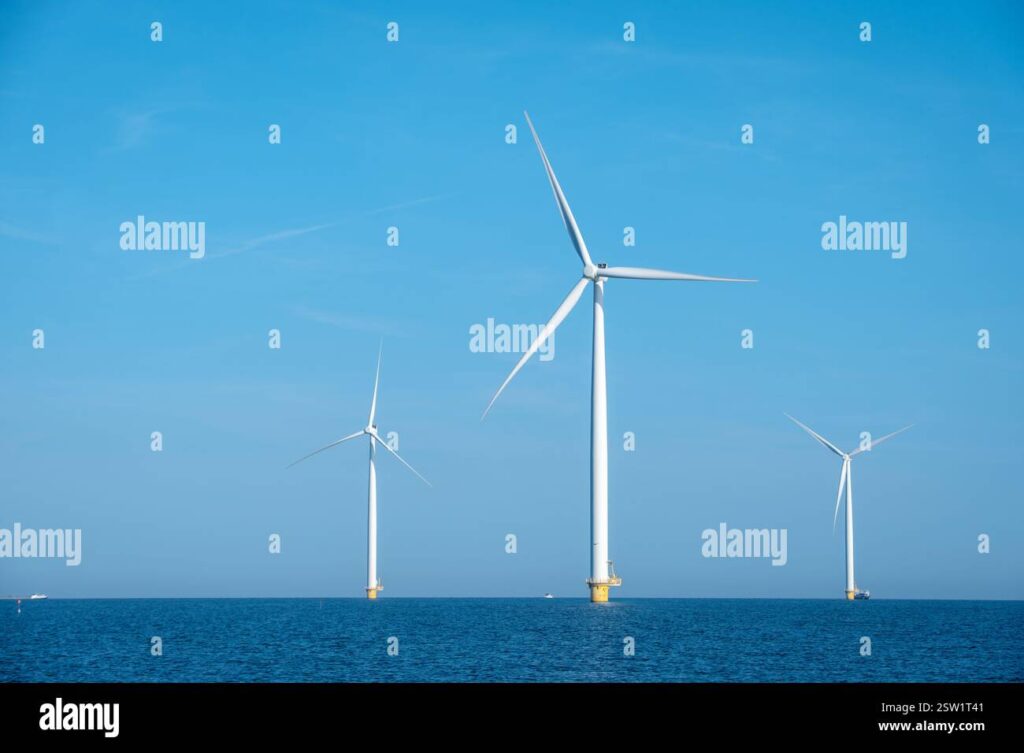
The third, and arguably most consequential, story is the postponement of the North‑Sea offshore‑wind programme pledged at the Hamburg Declaration on 26 January 2026. The summit promised €9.5 bn of capital mobilisation to unlock a trillion euros of investment, create 90 000 jobs and deliver 100 GW of shared‑water capacity by 2050 – a cornerstone of the EU’s “Fit for 55” climate package. Yet the official documents are conspicuously silent on the economic and ecological price of each year of delay, leaving policymakers without a clear monetary penalty or a quantified estimate of extra CO₂ and nitrogen emissions that would persist if the rollout stalls.
This data vacuum is more than an academic oversight; it is a strategic blind spot that directly jeopardises the Netherlands’ legally binding nitrogen‑reduction target of 40 %–50 % by 2030. Offshore wind can displace fossil‑fuel generation, cutting NOₓ emissions that feed nitrogen deposition, but without per‑year loss figures the government cannot translate a postponed turbine into “extra nitrogen that must be cut elsewhere.” The result is a policy calculus that relies on assumptions rather than evidence, increasing the risk that the 2030 deadline will be missed and that the country will face renewed legal injunctions on infrastructure projects.
Experts argue that the solution lies in a cascade of data‑driven assessments. First, an independent study should calculate the annual economic loss from delayed capital mobilisation, higher financing costs and the erosion of the promised 30 % electricity‑cost reduction. Second, rigorous modelling must link each gigawatt‑year of postponed offshore wind to additional CO₂, NOₓ and NH₃ emissions, thereby quantifying the nitrogen‑budget gap. Third, these findings should be woven into a transparent, annually updated public report that tracks installed capacity against the 100 GW shared‑water target and the broader 300 GW regional ambition.
The dolphin and the dog‑waste‑laden forest may seem anecdotal, but they illustrate the same systemic failure: bold targets announced on the international stage are not matched by the granular metrics needed to enforce them at home. Without precise figures, the Dutch government cannot levy performance‑based penalties on wind developers, nor can it demonstrate to the European Commission how offshore‑wind timing feeds into the Fit for 55 nitrogen pathways. The absence of such evidence hampers the EU’s ability to monitor progress and forces regulators to rely on indirect, often speculative, modelling.
If the Netherlands is to reconcile its triple environmental test – animal welfare, nitrogen pollution, and renewable energy – it must fill the data gaps that currently allow ambition to remain untested. Only by quantifying the hidden costs of delay can the country turn its lofty offshore‑wind promises into concrete progress, protect its fragile ecosystems, and finally give a dignified future to both Honey the dolphin and the forest that still breathes.
Image Source: www.alamy.com