
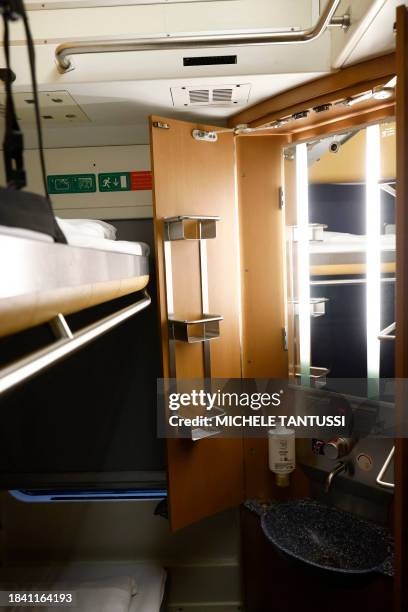

A sleek, 12‑coach sleeper will roar from Paris to Berlin on 26 March 2026, promising a three‑times‑a‑week high‑speed night‑train that can outpace a short‑haul flight. The catch? It barrels past Strasbourg – the historic stop that anchored the former Paris‑Strasbourg‑Berlin Nightjet – sparking a firestorm of local anger and a wider debate about Europe’s night‑train revival.
The new service, marketed by European Sleeper, departs Paris‑Gare du Nord on Tuesday, Thursday and Sunday evenings, skims Brussels and Liège before sprinting to Berlin on dedicated high‑speed lines. Tickets went on sale on 16 December 2025, with a €29.90 seat, €59.90 couch‑type (including catering and breakfast) and €94.90 sleeper carriage. There is no dining car and the operator has not released a seat‑count or any passenger‑growth forecasts, leaving analysts to infer the impact from the service’s limited frequency and the loss of the Strasbourg stop.
Strasbourg’s exclusion severs a key link for the “transport‑poverty” corridor that the EU has long flagged as vulnerable. The former Nightjet ran daily, offering a reliable overnight option for commuters and tourists alike. By contrast, the new train runs only three times a week and follows a different axis via Belgium, meaning a slice of the market that relied on the Strasbourg interchange will have to find alternatives – a shift that could depress overall seat‑availability on the Paris‑Berlin night corridor.
Regional authorities in Grand Est have already re‑shaped the TER timetable to cushion the blow. Early‑morning departures to Lauterbourg and Wörth now dovetail with bus 231 at Rountzenheim‑Auenheim, while a new 17:33 service to Colmar and a 14:40 departure to Haguenau aim to preserve commuter connections. Simultaneously, the Opter programme will refurbish 41 “Sillon Lorrain” carriages, boosting regional capacity from 9 000 to 13 000 seats – a €259 million joint investment from France, Luxembourg and the Région Grand Est.
A daytime TGV, slated to start on 16 December 2025, will run the Paris‑Strasbourg‑Karlsruhe‑Frankfurt‑Berlin corridor in eight hours for €59‑€69, positioned as a direct mitigation for the lost night‑train stop. In addition, the DB‑SNCF InterCity 9591 still links Strasbourg to Berlin in under six hours during the day, offering a viable alternative for passengers unwilling to wait for the thrice‑weekly sleeper.
The launch dovetails with the European Commission’s night‑train push – reduced track‑access charges, a 0 % VAT rate on international night‑train tickets and a broader “Back‑on‑Track Europe” ambition to serve 360 million passengers annually. Cohesion policy and the Social Climate Fund have been invoked by the Committee of the Regions to plug gaps in regional connectivity, yet no dedicated funding has yet materialised for Strasbourg’s specific needs. France’s pledge of nearly €1 billion for new night‑train carriages by 2029 underscores national commitment, but the local fallout remains a litmus test for EU‑level ambition.
Public sentiment is palpable. A Back‑on‑Track.eu petition has amassed more than 75 000 signatures demanding the preservation of a Paris night‑train service, while a local collective in Strasbourg is preparing an “ultime action” protest against the bypass. With the launch only weeks away, the on‑ground response – from TER officials tweaking schedules to passenger groups rallying for their right to seamless cross‑border travel – will likely shape the next round of funding talks and, perhaps, the fate of a future Nightjet reinstatement contingent on the 2026 French budget.
Image Source: www.gettyimages.com