
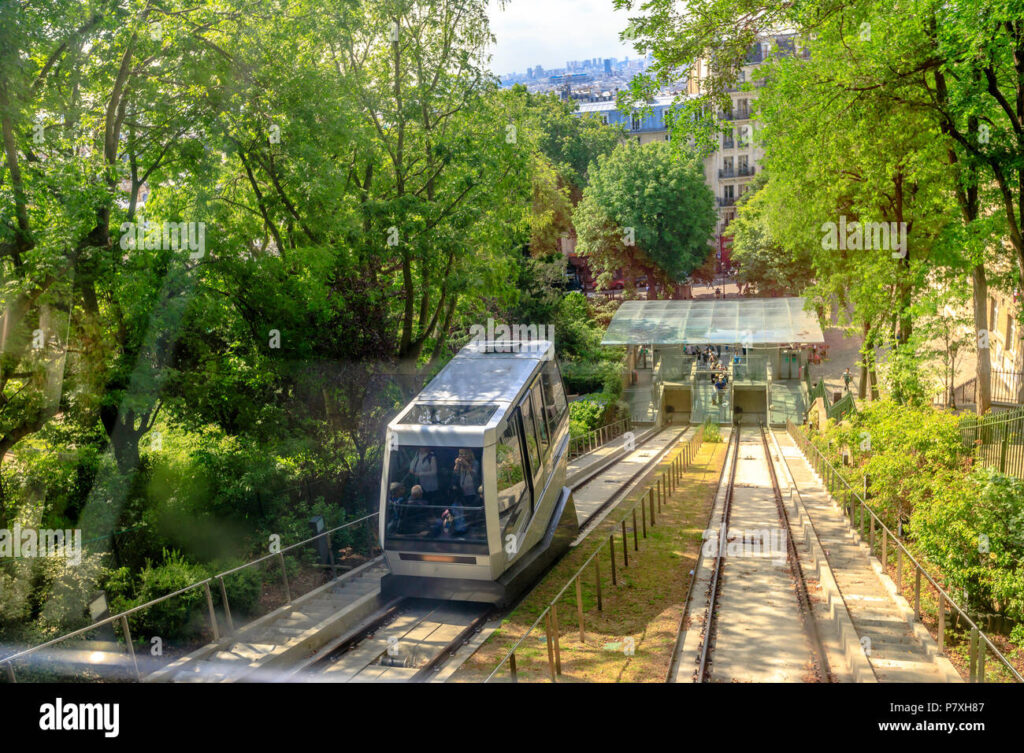

Paris’s suburbs have just taken to the skies. On 13 December 2025 the Île‑de‑France region unveiled the Câble C1 – a 4.5‑kilometre urban ropeway that shuttles passengers between Créteil‑Pointe‑du‑Lac (Metro 8) and Villeneuve‑Saint‑Georges, promising a sleek, low‑carbon alternative to the bus routes that have long dominated the corridor.
The line is engineered for speed and simplicity: five stations, full ticket‑integration with the Île‑de‑France Mobilités pass, and a journey time of just 18 minutes – less than half the 40‑minute bus ride it replaces. Operators have set a clear utilisation benchmark of roughly 11 000 passengers a day, a figure that would translate into about four million boardings in a full year if sustained.
Financing the project required €138 million, with the Île‑de‑France region shouldering 49 per cent, the Val‑de‑Marne department 30 per cent, and the remaining 21 per cent coming from a joint French‑EU contribution. The exact EU programme feeding that slice remains unnamed, but the partnership signals a willingness to blend national and European coffers for pioneering mobility.
Ridership forecasts are explicit about daily volumes but silent on the tourist‑versus‑commuter split. Regional promoters tout the ropeway’s “iconic” appeal and its potential to draw visitors from neighbouring EU states, yet no official estimate of cross‑border tourist trips has been published. In practice, the 11 000‑daily‑passenger target alone suggests a substantial modal shift away from private cars and diesel buses, aligning neatly with the region’s low‑carbon ambitions.
Economic impact assessments are equally sparse. No study has yet quantified jobs created, GDP contribution or tax revenue generated by the Câble C1. Nonetheless, the €138 million construction spend would have generated temporary building jobs, while ongoing operations provide a steady cadre of staff. Improved connectivity is likely to boost footfall for retailers and services around the five stations, and should the ropeway become a “must‑see” attraction, ancillary spending on hospitality and retail could materialise – even if the scale remains unmeasured.
Despite the lack of explicit EU funding lines, the project dovetails with several cornerstone EU transport policies. It ticks the boxes of the Sustainable Transport Investment Plan’s low‑carbon criteria, supports the Green Deal’s ambition to slash transport emissions by 90 per cent by 2050, and feeds the trans‑European TEN‑T vision of seamless cross‑border mobility, albeit from a sub‑regional stance. The ropeway also exemplifies the kind of innovative, electric‑powered infrastructure that the Connecting Europe Facility earmarks for future grants, positioning Câble C1 as a potential template for other EU cities seeking to diversify modal options.
In short, the Câble C1 is a striking visual and operational statement that Paris’s outskirts can deliver modern, sustainable transport without waiting for a megaproject. Its success will ultimately be measured by whether the daily passenger target materialises, whether tourist numbers rise, and whether the qualitative benefits touted by officials translate into tangible economic gains. As data on actual usage and spill‑over effects begin to flow, policymakers across Europe will be watching closely – the ropeway could become the blueprint for a continent‑wide aerial renaissance, provided the promised ridership and environmental dividends are realised.
Image Source: www.alamy.com