
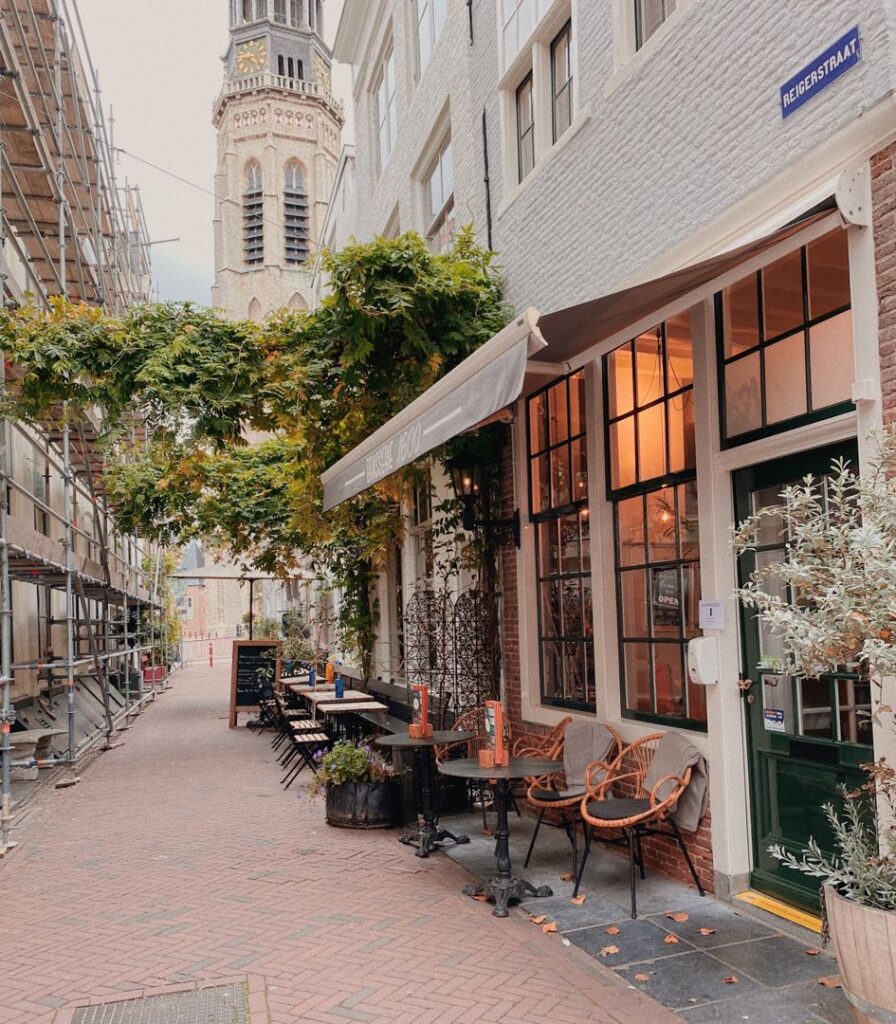

The Dutch pub is disappearing at a speed that would make any London landlord gasp – from over 14,000 cafés in 2015 to barely 11,000 today, a 22 percent plunge, and 280 more doors shut in 2024 alone. The loss is not a quiet trickle but a roar of closures that is reshaping night‑life on both sides of the border.
Walking the narrow lanes of Amsterdam’s Jordaan district, the once‑buzzing “local” feels more like a museum exhibit. The bartender at a family‑run bar, who has tended the same wooden counter for three decades, tells me the taproom is now half‑empty on a Friday night – not because the city is sleeping, but because the tax bill has ballooned and young drinkers are opting for a quiet night in with a craft‑free brew. Regulars, many of them in their late twenties, admit they now order a low‑ABV pint or head straight to the supermarket for a six‑pack that costs less than a single draught at the bar.
The fiscal shock began on 1 January 2024 when the Dutch Tax Plan lifted beer excise duty by more than eight percent and slapped an almost 200 percent hike on the consumption tax for non‑alcoholic beer. The immediate fallout was a 3.4 percent drop in total beer sales and a 1.1 percent contraction in on‑premise consumption – a hit that hits small pubs harder than the off‑trade market, which saw a 4.3 percent fall in home consumption. Even though the cabinet has pledged no further excise rises in 2025, the lingering uncertainty is enough to keep owners from investing in renovations or new staff.
Meanwhile, the nation’s youngest drinkers are rewriting the rulebook. Between 2015 and 2024 pure‑alcohol consumption fell from 6.96 litres to 6.19 litres per adult – an 11.2 percent dip – and the 18‑30 cohort now orders an alcohol‑free or low‑alcohol drink in one out of ten purchases. Beers under 3.5 % ABV grew 1.3 percent in 2024 while mid‑range and high‑strength brews shrank, signalling a clear preference for milder options. Even the “ever‑drank” rate among 12‑ to 16‑year‑olds dropped from 47.5 % in 2021 to 39.6 % in 2023, foreshadowing a generation that may never need a traditional pub as a rite of passage.
Add to that the relentless competition from a supermarket sector that generated €49.9 billion in 2024, with Albert Heijn alone operating 1,195 stores and €1.8 billion in online sales. Cheaper, convenient booze at the click of a button erodes the economic case for a night out at a neighbourhood bar. Stricter advertising rules introduced in 2023 cut brand reach by roughly 12 percent, further limiting pubs’ ability to draw crowds with promotions. And across the border, Belgian taverns – often cheaper thanks to lower excise duties and a lower legal drinking age – are siphoning price‑sensitive Dutch patrons, especially in frontier towns where a quick tram ride can save a few euros per pint.
Tourism feels the ripple. Belgium supplied 1.75 million of the 21.31 million foreign visitors to the Netherlands in 2024, but domestic campsite usage – a traditional hub for youthful, pub‑linked socialising – fell 2 percent. Industry observers note an uptick in “young people from the Netherlands and Belgium crossing borders in search of more lenient rules and cheaper entertainment”, hinting that the Dutch pub’s decline may be nudging Belgian tourists toward their own side of the border, while Dutch nightlife loses both locals and visitors alike.
The picture is clear: fiscal pressure, shifting youth habits, and retail competition have conspired to turn the Dutch pub from a cultural cornerstone into a casualty of modern consumption. Policymakers face a choice – continue to chase revenue through higher duties or protect the social fabric that neighbourhood bars provide. Targeted tax relief for small on‑premise operators, incentives for low‑alcohol product innovation, and cross‑border tourism packages that celebrate local drinking traditions could stem the tide. Without such intervention, the Low Countries risk watching their historic watering holes fade into memory, leaving a quieter, cheaper, but culturally poorer night‑life landscape.
Image Source: www.pinterest.com