
Trump has turned a quixotic bid for Greenland into a full‑blown trade war, slapping an extra 10 % duty on eight NATO allies that will swell to 25 % by June. The move, announced on Truth Social this morning, is framed as “reciprocal pressure” until the United States can seal a “complete and total purchase” of the Arctic island. What follows is a blunt reminder that even the most distant territorial fantasies can ripple through supermarket shelves and shipyards across Europe.
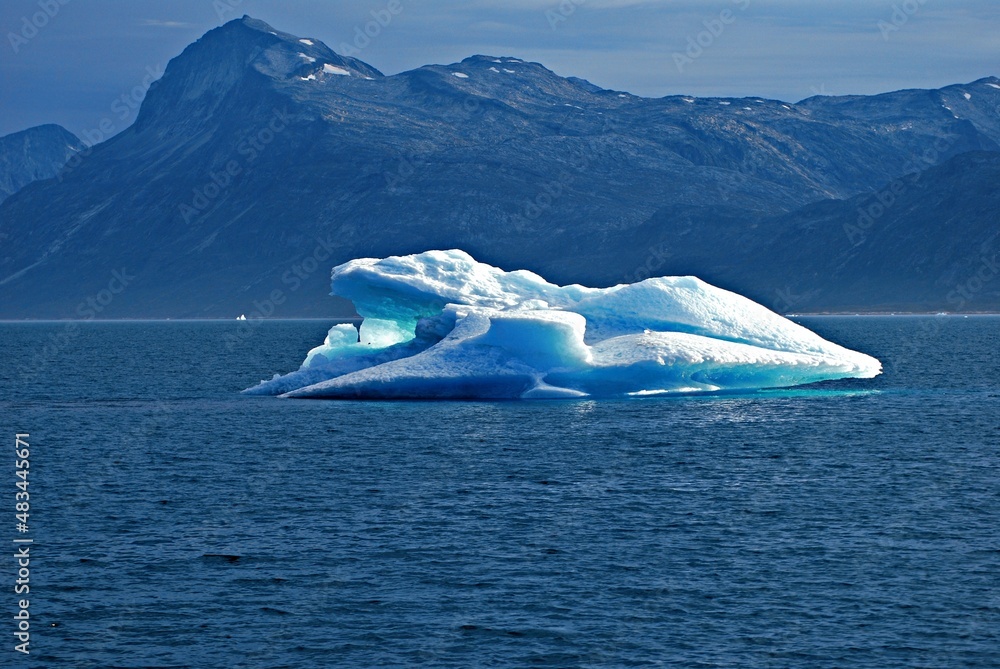
The background is simple but fraught: after months of diplomatic rebuff, President Donald Trump revived his long‑simmering desire to buy Greenland, a Danish autonomous territory that hosts a crucial U.S. air base and vast mineral deposits. Copenhagen’s polite refusals were met with a retaliatory tariff threat that targets Denmark, Norway, Sweden, France, Germany, the United Kingdom, the Netherlands and Finland – all members of the NATO alliance that have, until now, been trading partners rather than adversaries.
The tariff schedule is starkly punitive. A flat 10 % import duty kicked in on 1 February 2025, rising to a 25 % levy on 1 June 2025. Crucially, these rates sit on top of the standing 15 % duty the United States already imposes on most EU goods and the 10 % duty already levied on British shipments. In practice, a Danish salmon consignment that previously faced a 15 % tariff now bears a 25 % charge in the first phase and a 40 % total burden after the June hike – a cost increase that will be passed straight to American buyers.
The first sector to feel the sting is seafood. Danish salmon, Norwegian cod and Swedish herring dominate the U.S. premium fish market, and the added duty erodes their price advantage against Chilean, Canadian and Asian producers. Industry insiders warn that even a modest uplift can trigger price‑elastic shifts, prompting retailers to trim shelf space for European fish in favour of cheaper alternatives.
Minerals and metals – from Swedish iron ore to German potash and Dutch rare‑earths – are next on the chopping block. These inputs underpin U.S. automotive, fertilizer and high‑tech supply chains, and a 40 % total tariff in the second phase threatens to push American manufacturers toward domestic sources or suppliers in Canada, Australia or Brazil. The same logic applies to agriculture: French wine, German pork and Dutch dairy will see their landed costs swell, making them less competitive against New World wines and home‑grown dairy products.
European capitals have reacted with a rare chorus of condemnation. Prime Minister Keir Starmer called the tariffs “completely wrong”, President Emmanuel Macron deemed them “unacceptable”, and the Danish foreign minister described the move as a “surprise” after a constructive meeting in Washington. An emergency EU summit convened in London within hours, with Commission President Ursula von der Leyen and Council President Antonio Costa pledging solidarity and signalling readiness for dialogue.
Beyond words, the EU is weighing concrete counter‑measures. Options on the table include reciprocal duties on U.S. aerospace and agribusiness exports, a legal challenge at the WTO on the grounds that the tariffs are tied to a non‑trade issue, and an accelerated push to diversify markets away from the United States. Whatever the response, the episode underscores a dangerous new precedent: using trade as a lever in territorial disputes threatens the trust that underpins NATO and could complicate joint Arctic security efforts at a time when cooperation is most needed.
If the United States does not soften its Greenland ambition, Europe faces a choice between absorbing higher costs for flagship products or confronting a fellow ally with a coordinated economic retaliation – a decision that will reverberate far beyond the icy shores of Greenland.
Image Source: stock.adobe.com